

Onyx: Natural Onyx Stone vs Onyx-Look Porcelain in Luxury Design

Onyx can turn a surface into the focal point of an entire room. Translucent natural onyx reveals depth and mineral banding unlike almost any other decorative stone. Onyx-look porcelain offers a related visual language with a different cost, maintenance and installation profile. Knowing the difference is essential before choosing a slab.
What makes natural onyx distinctive?
Decorative stone sold as onyx is often a banded calcite-based stone. When sufficiently translucent, it can be illuminated from behind, revealing soft layers of amber, cream, green or warm white. A backlit onyx wall can feel less like cladding and more like architectural artwork.
Its dramatic appearance comes with practical limits. Natural onyx can be comparatively delicate and may be vulnerable to etching, scratching and breakage. It is usually more appropriate as a protected feature than as a heavily used floor.
Onyx-look porcelain is a different material
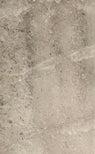
Designs such as Golden Onyx Florim, White Onyx Florim and Silver Onyx Florim reproduce onyx-inspired color and veining on manufactured porcelain surfaces. These are not natural onyx slabs and should not be described as naturally translucent or suitable for backlighting without product-specific evidence.
The porcelain route can be practical where a consistent visual field, large-format cladding or lower-maintenance surface is the priority. Always check the specified thickness, finish and approved use.

Where onyx creates the strongest design impact
For natural onyx, consider a powder-room feature wall, a carefully illuminated bar, a decorative niche or a residential statement panel. For onyx-look porcelain, large bathroom walls, fireplace surrounds where technically approved, and feature surfaces can provide a similar color palette without the same geological variation.
A restrained room allows the material to stand out. Pair honey onyx tones with warm white, bronze and dark wood; cooler silver versions can complement graphite, pale oak and brushed metal.

Four questions before placing an onyx order
Is the selected surface natural stone or porcelain? Will it be used on a wall, counter or floor? Does the technical data approve that use? Will lighting reveal the pattern as intended? Request full-size images, confirm slab dimensions and obtain the manufacturer's care and installation guidance.
If considering illuminated natural stone, involve the fabricator and lighting specialist before fabrication to plan support, diffusion and access for maintenance.
Explore relevant materials at Zicana Boutique
Compare available colors, finishes and dimensions on the individual product pages. Product pricing, lead times and inventory may change; verify details before placing an order.
Frequently asked questions
Is natural onyx the same as onyx-look porcelain?
No. Natural decorative onyx is a quarried stone, often translucent; onyx-look porcelain is a manufactured ceramic surface reproducing its appearance.
Can onyx be backlit?
Many natural onyx varieties are translucent enough for backlighting, subject to thickness and technical design. Most standard onyx-look porcelain should not be assumed translucent.
Is natural onyx suitable for a busy kitchen countertop?
Its sensitivity makes it a less forgiving choice than some alternatives. Discuss the exact stone and use with a qualified specialist.
Continue exploring
For a related perspective, read Bathroom Vanities: The Luxury Buyer's Guide to Size, Style & Stone or Slate Stone vs Slate-Look Porcelain: A Design & Buying Guide.
Find materials and compare product specifications at Zicana Boutique. For custom work, consult a qualified fabricator or installer before finalizing measurements and material use.