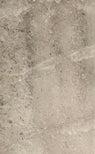


Tile Buying Guide: How to Choose the Right Material, Size and Finish

A practical guide to choosing tile for luxury kitchens, baths and living spaces, covering porcelain, stone, size, finish and installation.
A tile that looks beautiful on a showroom display is not necessarily approved for a shower floor, outdoor terrace or commercial entry.
Choose tile by application first
A tile that looks beautiful on a showroom display is not necessarily approved for a shower floor, outdoor terrace or commercial entry. Begin by identifying where it will go, how much water and foot traffic it will receive and whether any slip-resistance requirements apply.
For wet areas, evaluate both the tile specification and the complete waterproofing assembly. For exterior use, look at freeze-thaw suitability, drainage and manufacturer recommendations. Wall tile and floor tile should never be assumed interchangeable without technical evidence.
Porcelain, ceramic and natural stone
Porcelain is a dense ceramic product available in stone-inspired, concrete-inspired and decorative designs. Ceramic tile offers many wall applications. Natural marble provides unique geological veining but can require sealing and careful maintenance. Each category delivers a different combination of texture, consistency and care.
Large-format porcelain can create visual continuity with fewer grout joints. Smaller formats support more intricate patterns and may help with sloped shower floors. A marble installation may benefit from viewing several pieces together before approval.

Size, grout and lighting make the design
A tile's size changes the apparent scale of the room. Wide panels minimize visual breaks, while narrow formats introduce rhythm. Grout close to the tile color supports a continuous surface; contrasting grout turns every joint into part of the pattern.
Lighting affects undertones. A pale cream may look different beside cool-white cabinetry than it does beside oak. Bring physical samples into the actual room and check them in daylight and evening light.
Ordering the right quantity
Determine the finished coverage, then account for cuts, breakage, pattern direction and spare pieces. Complex layouts can generate more waste than simple straight-lay patterns. Confirm shade or dye lot and caliber requirements before the material ships.
A professional installer should verify substrate conditions, movement joints, waterproofing and setting materials. The best-looking tile still depends on correct installation.
Frequently Asked Questions
Can porcelain tile be used in a shower?
Many porcelain products can, but confirm the exact tile's approved application and the waterproofing and slip requirements.
Does larger tile always make a room look bigger?
Large formats can reduce grout interruptions, but proportion, lighting and layout also influence perception.
Why do tile batches matter?
Shade and dimensional variation can occur between production runs; matching lots can help maintain consistency.
Explore more product options and material guidance at Zicana Boutique. Project-specific applications should be reviewed with the supplier and a qualified installer.